
CNC Milling Services for Quality-Critical Components
When choosing CNC Milling Services, engineering and procurement teams need confidence that components can be machined accurately, inspected properly and delivered with the right level of technical control.
At LCPE, we support customers across the UK who require tight-tolerance CNC machining, responsive engineering collaboration and dependable quality assurance. From our facility in Weymouth, Dorset, we provide advanced CNC milling services through 3, 4 and 5-axis machining, supported by offline programming and CAD packages that help us work from solid models.
For customers operating in aerospace, defence, motorsport, space, medical, automation, automotive, electronics and other advanced engineering sectors, CNC milling is rarely just about producing a shape. It is about achieving accuracy, repeatability, traceability and reliable communication throughout the manufacturing process.
What Are the Most Common CNC Milling Challenges?
The most common CNC milling challenges include unclear drawings, CAD model discrepancies, tight tolerance requirements, complex geometries, material behaviour, poor work holding, tool wear, surface finish issues and inspection requirements.
The best way to reduce these risks is to involve us early, confirm requirements at the quotation and contract review stage, use the right machining strategy and ensure inspection requirements are understood before production begins.
For quality-critical components, this approach helps reduce manufacturing risk and supports a smoother route from prototype to production.
Common CNC Milling Errors That Can Affect Production
Common CNC milling errors often begin before the first component is machined.
Typical issues include:
- Missing or unclear tolerances
- Drawing and CAD model mismatches
- Unconfirmed material specifications
- Features that are difficult to access
- Tool deflection on fine details
- Poor work holding or fixturing
- Surface finish variation
- Burrs on complex features
- Inspection requirements not defined early enough
For time-poor engineering teams, these problems can create unnecessary delays, rework and supplier communication issues.
At LCPE, we focus on understanding customer requirements early, so we can support accurate planning, clear manufacturing instructions and a controlled route into production.
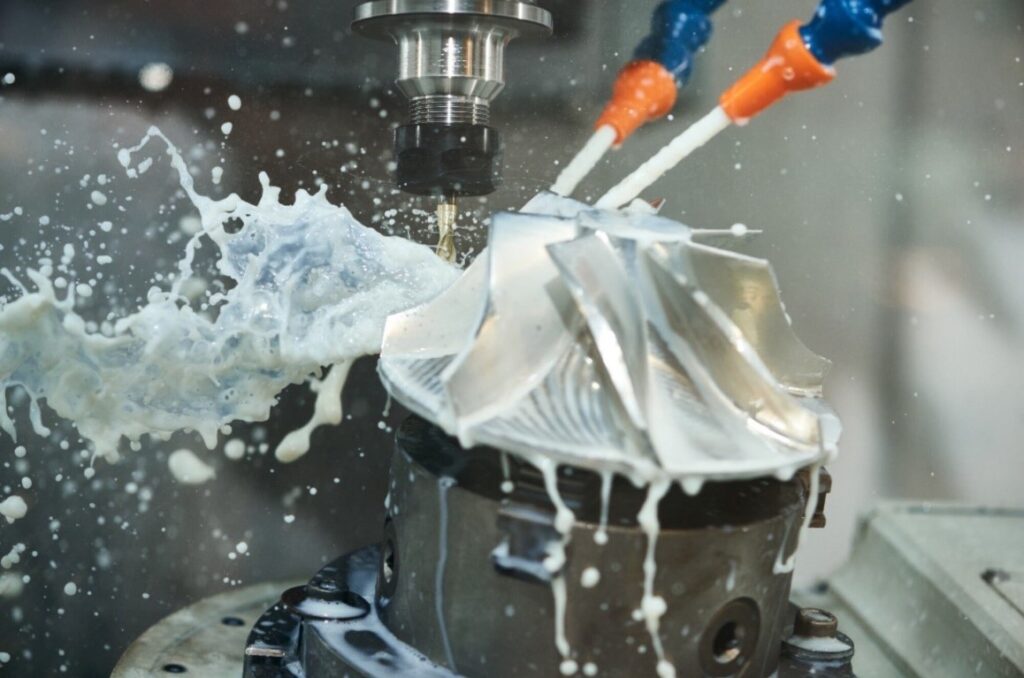
Overcoming CNC Milling Challenges Through Early Collaboration
The most effective way to overcome CNC milling challenges is to address technical risk before production starts.
That means reviewing:
- Engineering drawings
- CAD models
- Tolerance requirements
- Material specifications
- Critical features
- Inspection requirements
- Release documentation
- Delivery expectations
At LCPE, we work closely with customers to identify potential manufacturing challenges before they become production issues. This is especially important for demanding components where performance, fit and repeatability are critical.
Our role is not simply to machine parts. We support customers with practical engineering input, responsive communication and a quality-focused approach throughout the manufacturing process.
Managing Complex Geometries with 3, 4 and 5-Axis CNC Milling
Complex components often require more than standard machining capacity.
Multi-sided features, deep pockets, thin walls, compound angles and tight-tolerance interfaces can all increase machining difficulty. Where suitable, advanced 5-axis CNC machining capability can reduce the need for repeated setups and improve access to difficult features.
Our CNC milling capability includes 3, 4 and 5-axis machining, offline programming and CAD support. We also operate robotic milling capability to support efficient CNC production.
For buyers, this means CNC milling capability should be assessed not only by machine type, but by the supplier’s ability to plan, programme, fixture, inspect and communicate effectively.
Precision CNC Milling Troubleshooting and Quality Assurance
Precision CNC milling troubleshooting should not rely on machining knowledge alone. Inspection and quality assurance are essential to confirming whether a component meets drawing and customer requirements.
Key inspection considerations include:
- Which dimensions are critical?
- What inspection method is required?
- Is a First Article Inspection Report needed?
- Are release documents required?
- Are traceability requirements defined?
- Are customer-specific checks stated on the purchase order?
At LCPE, our inspection and quality assurance processes include CMM inspection, Trimos V7 height gauges, shadowgraph equipment, automated profile projection and High QA software integrated with CMM reporting. We can also provide First Article Inspection Reports and release documentation where specified on customer purchase orders.
This inspection capability supports tight-tolerance CNC machining and helps provide confidence for mission-critical component manufacture.
Why AS9100 Matters in CNC Milling Services
For aerospace, defence, space and other advanced engineering buyers, quality systems are a key part of supplier selection.
At LCPE, we have been awarded AS9100 certification, supporting the quality, traceability and process control expected in demanding engineering supply chains.
For customers seeking an AS9100 accredited precision engineering partner, this provides added confidence that CNC machining projects are supported by structured quality processes, inspection control and clear documentation.
This is especially important when manufacturing components where performance, reliability and traceability are non-negotiable.
How to Choose the Right CNC Milling Supplier
Choosing the right CNC milling supplier is about more than machine capacity. For engineering and procurement teams, the right partner should reduce risk, not add to it.
Before placing work, it is worth asking:
- Can the supplier support the required tolerances?
- Do they understand the end-user requirements?
- Can they work from drawings and CAD models?
- Do they have suitable inspection capability?
- Can they provide First Article Inspection Reports where required?
- Do they have experience with demanding, quality-critical sectors?
- Are they responsive during technical queries?
- Can they support prototype, small-batch and repeat production needs?
At LCPE, we aim to provide the technical capability, quality control and communication needed to support confident supplier selection.
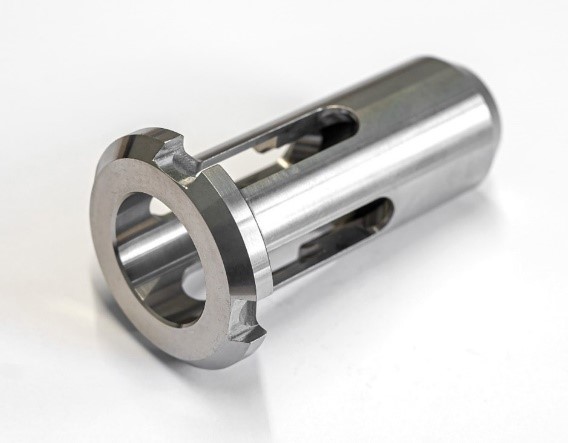
CNC Milling Supplier Selection Checklist
When selecting a UK precision manufacturing partner, it is important to look beyond headline machining capacity.
| Supplier Consideration | Why It Matters |
| 3, 4 and 5-axis machining capability | Supports more complex component geometries |
| CAD and offline programming support | Helps with model-based manufacturing workflows |
| Contract review process | Reduces risk before production begins |
| Inspection capability | Confirms conformity against requirements |
| First article reporting | Supports quality-critical approvals |
| AS9100 certification | Supports aerospace and high-specification supply-chain expectations |
| Responsiveness | Helps engineering and programme teams resolve queries quickly |
| Prototype-to-production support | Supports development, small-batch and repeat manufacturing needs |
The strongest CNC milling suppliers combine technical capability, quality assurance and practical engineering communication.
How We Support CNC Milling Projects at LCPE
At LCPE, we manufacture CNC-machined components for customers who need accuracy, reliability and traceability.
We combine advanced 3, 4 and 5-axis machining with offline programming, CAD support, inspection capability and AS9100-certified quality systems. We support customers who need a reliable UK precision manufacturing partner for prototype development through to repeat production manufacture.
Alongside milling, we also provide CNC turning services for precision-machined components and assembly services where customers need additional manufacturing support.
Our JIT and Kanban manufacturing solutions also help customers manage inventory and production schedules where repeat supply is required.
Our approach is collaborative, technical and quality-led. We focus on understanding the requirement, planning the process and supporting customers with responsive communication throughout the project.
Discuss Your CNC Milling Project with LCPE
Whether you are overcoming CNC milling challenges, reviewing a new design or looking for a reliable UK precision manufacturing partner, we can help.
At LCPE, we work closely with engineering, procurement and programme teams to understand requirements, identify potential manufacturing risks and support successful project outcomes.
If you have drawings, CAD models or specifications ready for review, we would be happy to discuss your project.
Frequently Asked Questions About CNC Milling Services
What are the most common CNC milling errors?
Common CNC milling errors include unclear drawings, CAD model discrepancies, incorrect material assumptions, poor fixturing, tool wear, tolerance issues, surface finish problems and incomplete inspection requirements.
How can CNC milling challenges be overcome?
CNC milling challenges can often be reduced through early engineering collaboration, clear drawings, confirmed material specifications, suitable machining strategies, robust fixturing and defined inspection requirements.
Why is 5-axis CNC milling useful for complex components?
5-axis CNC milling can improve access to complex features and reduce the need for multiple setups, depending on the component geometry and manufacturing strategy.
What information should I provide for a CNC milling enquiry?
It is helpful to provide drawings, CAD models, material specifications, tolerances, quantities, surface finish requirements, inspection needs and any release documentation requirements.
Do we offer 3, 4 and 5-axis CNC milling at LCPE?
Yes. At LCPE, we offer 3, 4 and 5-axis CNC milling capability, supported by offline programming and CAD packages for working from solid models.
Do we support inspection and First Article Inspection Reports?
Yes. At LCPE, we can supply First Article Inspection Reports and release documentation where stipulated on customer purchase orders.
Why is AS9100 important for CNC milling suppliers?
AS9100 is important for aerospace, defence and other quality-critical supply chains because it supports structured quality management, traceability and documented control.
Can we work from solid models?
Yes. At LCPE, we use offline programming and CAD packages that help us work from solid models.
Do we support UK-wide CNC milling projects?
Yes. We provide precision CNC machining, 5-axis machining and engineering services across the UK from our facility in Weymouth, Dorset.
How do I discuss a CNC milling project with LCPE?
You can contact us through our contact page to discuss drawings, specifications and project requirements.
Still Have Questions?
If you would like to discuss a CNC milling requirement, our team can review drawings, specifications and manufacturing challenges.


